


What to Prepare to Work with Vietnam Manufacturers for Product Development: A Buyer’s Guide
Working with manufacturers in Vietnam is a great way to bring your product ideas to life, but success depends on preparation.
These are not traders pushing for quick sales, they’re genuine producers, and many are selective about who they work with. What they value most are serious buyers who come prepared and are looking to build long-term partnerships.
Here’s a guide to what global buyers need to have ready before approaching factories to develop products.
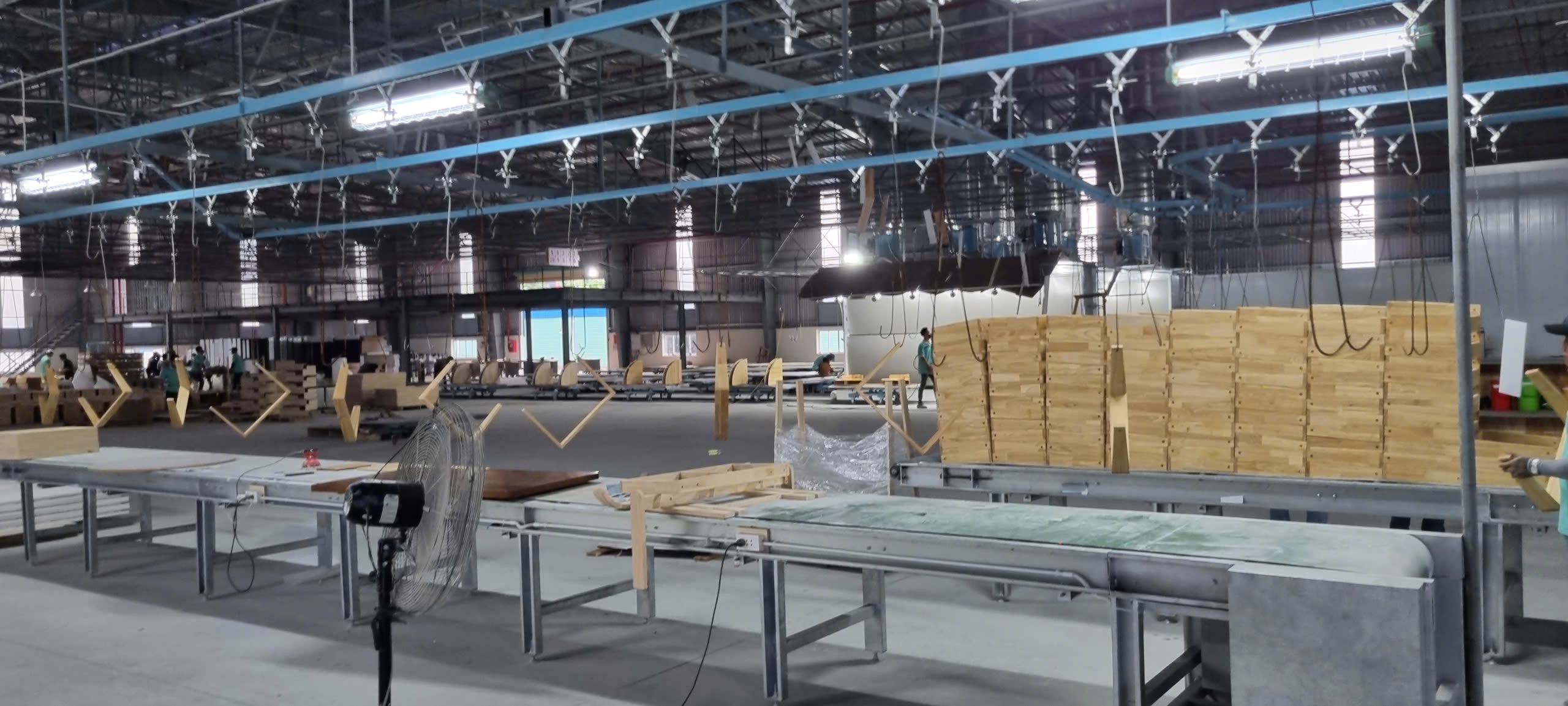
Understanding the Reality of Manufacturing in Vietnam
When buyers first explore Vietnam as a sourcing destination, many assume they can simply send a photo and expect factories to recreate it. While Vietnam manufacturers are resourceful, the process goes much more smoothly when buyers arrive with clear product development inputs. Most Vietnamese factories work as OEM’s, set up to follow customer designs, not run their own design teams. Many are smaller, family-owned, or specialised in certain materials, so clear communication and good prep matter even more.
Whether you’re developing steel or aluminium components, ceramic vases, or textile-based items, having the right information and samples ready helps speed up the process, reduces misunderstandings, and increases your chances of getting the exact quality you want. Think of it as giving your manufacturer the blueprint they need to succeed.
In this article, we’ll cover the essentials you should prepare before approaching factories in Vietnam, from technical information to packaging requirements. With the right groundwork, you’ll not only save time but also build stronger partnerships with suppliers who can grow with your business.
Section 1 → Product Specifications Are Non-Negotiable
The first thing a factory will ask is: What exactly do you want us to make? Without clear product specifications, you risk endless rounds of back-and-forth. Providing detailed technical specifications also shows you are serious about your product.
This table covers the key details you’d normally put in a tech pack or technical drawing. Not every point will apply to every product, but the more you cover up front, the smoother things will go with the factory.
| Section | What to Include |
| General Information | Product name, SKU reference code, version number; Date created/updated; Buyer/brand details |
| Technical Drawings | Flat sketches (front, back, side, top, bottom views); Exploded/cross-sections; Assembly diagrams; Stitching/construction details, 3D drawing/render (if needed) |
| Materials | Material type (wood, steel, cotton, rattan, etc.); Grade/weight/thickness/density; Weave/finish; Certifications (FSC, GOTS, OEKO-TEX); Approved sources |
| Dimensions & Tolerances | Key dimensions (H/W/D, length, diameter); Tolerances (e.g., ±2 mm); Fit measurements (garments: chest, waist, sleeve, etc.) |
| Colour & Finish | Colour codes (Pantone, RAL, CMYK/RGB); Surface finish (matte, gloss, brushed, anodised); Special treatments (coatings, UV protection, waterproofing) |
| Components & Trims | Labels, zippers, buttons, buckles, handles, hinges; Thread/stitch type (garments); Hardware specs (material, finish, size) |
| Construction Details | Seams, joints, welding details; Reinforcement areas; Pattern pieces (garments/textiles); Assembly order/method |
| Printing & Branding | Logo placement & scale; Artwork files (vector/high-res); Printing/embroidery technique (screen print, emboss, digital, etc.) |
| Labelling & Compliance | Care labels (garments); Safety labels (kids’ products, electronics); Country of origin marking; Barcode/SKU |
| Quality & Testing | Performance requirements (e.g., load capacity, wash tests); Certification needs (REACH, CPSIA, ASTM, EN71); Acceptable defect rates/inspection criteria |
| Packaging | Inner & outer packaging details; Dimensions, materials, and weight limits; Pallet configuration/carton stacking; Packaging artwork or logos |
Manufacturers in Vietnam are skilled, but they aren’t mind readers. Even if you don’t have everything needed from the above list, the more detailed your information, the less the chance of misinterpretation.
Top Tip: Packaging and labeling requirements from day one!
Many buyers leave packaging until the last minute. Big mistake. In reality, packaging affects carton size, shipping costs, and compliance with destination-country regulations.
Section 2 → Samples and Reference Products Speak Louder Than Words
Sending photos from Pinterest or supplier catalogues is a start, but providing a physical sample is far better. Vietnam manufacturers rely heavily on touch and feel when it comes to materials and craftsmanship. In Vietnam, where so much production still depends on skilled craftsmanship, that makes a big difference.
Reference samples help factories:
- Understand construction details they can’t see in a photo.
- Match styles such as weaving tightness, a type of ceramic glazing, or a particular finish on wood.
- Estimate production time and cost more accurately.
- Judge whether your requirements are realistic for their capability.
If you’re creating a new product and don’t have a sample, consider creating a prototype elsewhere first. It’s a small investment that can save huge headaches later.
Also, keep in mind that samples go both ways. Once you’ve provided a reference, ask the factory to produce counter-samples for approval. This creates a ‘Golden Sample’ that both sides can use as the standard for bulk production. Without it, you’re relying on interpretation, which can easily lead to disputes!

Section 3 → Order Quantity & Target Price Discussions
Factories in Vietnam will ask about your expected order quantity and target price right from the start. It’s not just about filling out a form, these numbers affect the way they calculate costs, plan production, and decide whether you’re the kind of buyer they want to work with for the long-term.
Order quantities matter.
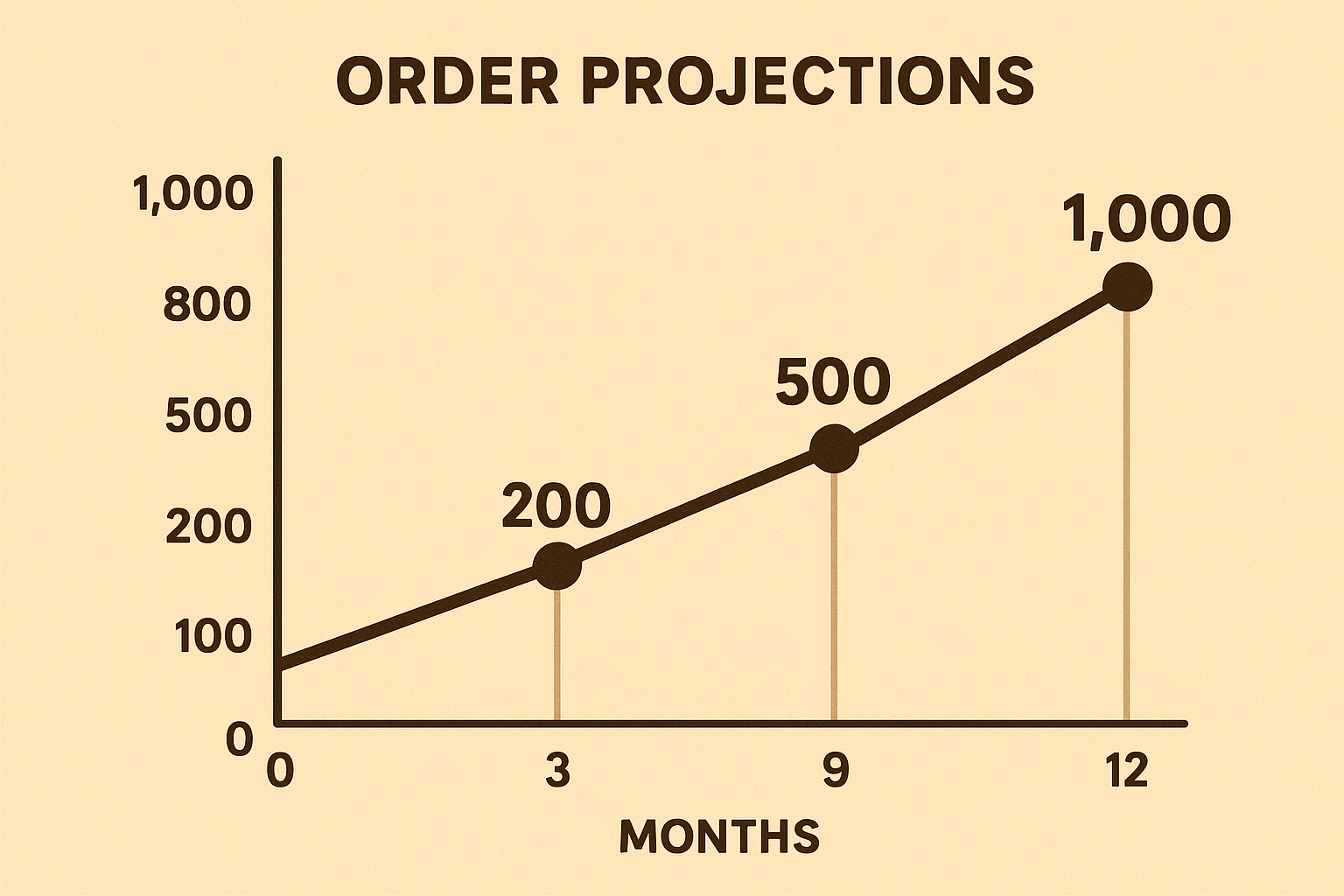
Minimum order quantities (MOQs) vary depending on material, production method and complexity, but what’s more important is your roadmap. A factory might not be impressed by a single order of 200 pieces, but if they see you have a plan to scale to 2k pieces in the next season, they’ll take you far more seriously. The more believable your projections, the more flexible they can be on starting MOQs. This isn’t trading, it’s building a partnership, and factories want to work with buyers who have growth potential.
Target price matters too.
Be realistic. If you come in far too low, you either end up with a crap product, or the factory owner simply won’t bother because they know it’s not feasible. Many Vietnamese factories work on low margins, with their priority being keeping the production lines running. Price discussions with manufacturers here aren’t about haggling down to the last cent; they’re about matching cost to the level of quality you want. They are not traders, they are partners. Go in prepared with a reasonable target, and you’ll find most factories are willing to work with you to find solutions.
Top Tips:
- Don’t just say “as low as possible” – give a realistic range. It sets the tone for the relationship.
- Explain your roadmap (e.g. small first order, scaling after market test).
- If you have multiple SKUs, clarify which will carry the volume.
Manufacturers are more willing to negotiate MOQs and pricing when they believe you’re building for the long term.
A Real Example: Plush Toys
A few months ago, a buyer had been looking for a manufacturer to make some plush toys. They initially sent over photos and asked if factories could “make something similar.” Without sizes, materials, or a sample, they struggled to get any engagement from factories.
We shifted approach. We helped the buyer prepare a simple spec sheet with pictures from different angles, dimensions, materials, stuffing, colours and packaging.
We also provided buyer expectations about forecast volumes. Within a month, we had accurate pricing, pre-production samples, and a realistic lead time.
The result? With clear specs, the buyer came across as serious and professional. Factories gave accurate pricing, produce pre-production samples, and provide realistic lead times, without the usual back-and-forth or misunderstandings that often slow newcomers down. Good preparation didn’t just save time, it made the whole process smoother and less frustrating.
Conclusion
Developing products in Vietnam can be a rewarding process, but it isn’t just plug-and-play. Factories here love it when buyers bring clear information, realistic expectations, and collaboration. By preparing detailed specifications, reference samples, packaging requirements, and order details, you are on the right track for building a successful partnership.
Ultimately, the smoother your preparation, the smoother your production. Vietnam’s strength lies in its craftsmanship, flexibility, and growing export capabilities, but those benefits only shine when both sides are aligned.
Key takeaway:
Don’t wait for your factory to guess what you want. Show them, tell them, and document it clearly. The upfront effort pays off in better products, faster timelines, and stronger partnerships
Want help preparing the right information before approaching factories in Vietnam? A-Up Sourcing can guide you through the process and connect you with reliable manufacturers.
Read more articles
Contact us
