


Aluminium Extrusion in Vietnam: From Billets to Finished Products (A Practical Guide)
Over the last few months we’ve been deep inside a project involving aluminium extrusions, which meant touring multiple extrusion plants across Vietnam. After several factory visits, lots of QC conversations, and a fair bit of crawling around production floors, we figured it was worth sharing what we’ve learnt.
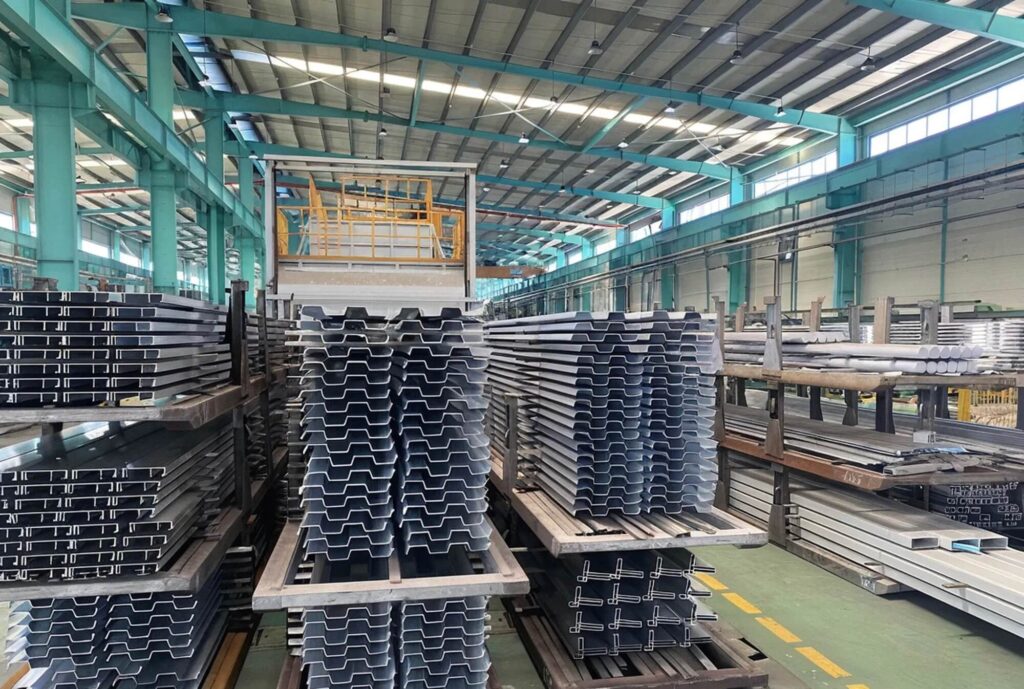
There’s something strangely addictive about the whole process. From turning up at factories with stacks of billets and ingots outside, to watching a heated billet get pushed through a die and come out the other side as a perfectly shaped profile, it never gets old.
But beyond the visuals, aluminium extrusion is one of the fastest and most efficient ways to turn a design idea into a real product. It’s precise, scalable, and hugely customisable. And Vietnam, in particular, is becoming a serious player in this space thanks to cleaner supply chains, improving machinery, and competitive pricing without sacrificing quality.
This article walks you through the full process, from billets to finished profiles, plus some on-the-ground insights from working with Vietnamese extrusion partners.
1. Why Aluminium Extrusion Is So Effective
Aluminium extrusion isn’t just about turning hot metal into tidy shapes, it’s one of the smartest ways to turn a design into a scalable product. It gives manufacturers huge flexibility, lets designers create complex profiles at low cost, and keeps weight, strength, and precision nicely balanced. From a business standpoint, extrusion is popular because it is:
- Fast – short lead times once the die is ready
- Precise – tolerances can be tight with the right factory
- Cost-effective – especially for long runs
- Customisable – almost any shape you can design
- Strong and lightweight – ideal for modern product design
Vietnam has become a go-to location for small-to-medium volume extrusion thanks to improving technology, cleaner lines, and more flexible order quantities compared with China.
Common VN applications regularly include:
- Furniture frames
- Architectural trims
- Auto parts
- Solar energy components
- Industrial brackets
- Consumer product housings
1.1 Aluminium & the Circular Economy
One of the biggest advantages of aluminium, and something buyers often overlook, is how perfectly it fits into a circular economy.
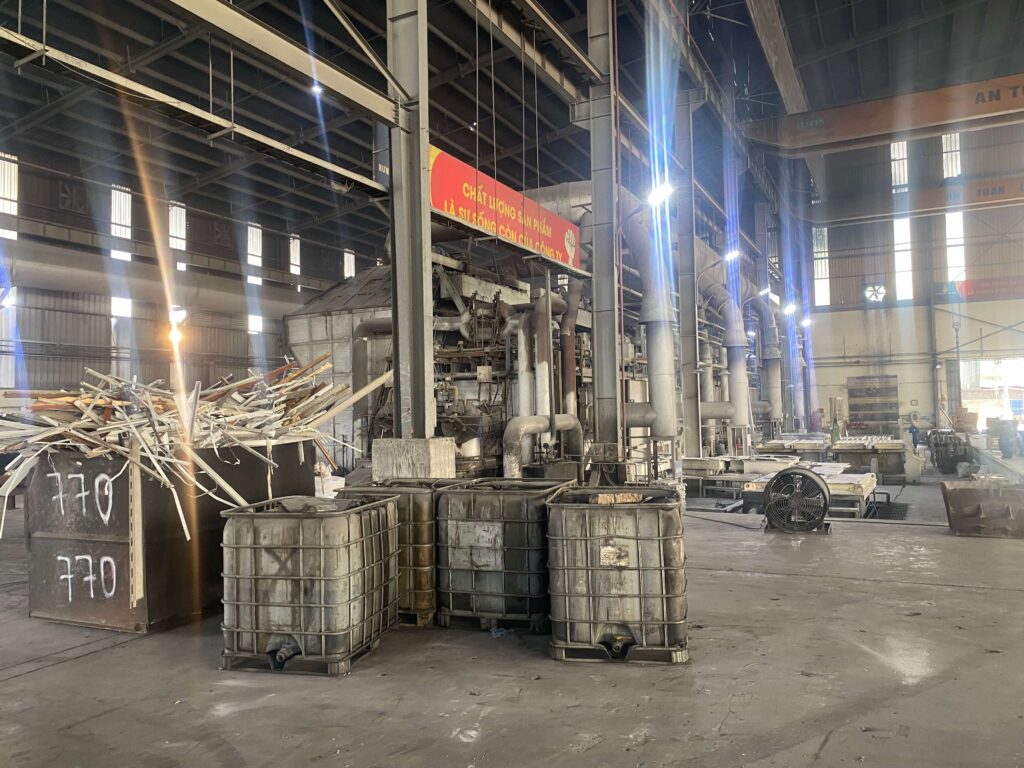
Aluminium is infinitely recyclable without losing quality. Old or discarded profiles, off-cut scrap, and even defective runs can be collected, re-melted, and turned back into fresh billets. In many Vietnamese extrusion plants, you’ll see bins of cut-offs and scrap ready to be melted down and re-used: a closed-loop system that saves energy and cost.
Recycled aluminium uses up to 95% less energy than producing primary aluminium, which is why many factories now blend recycled content into their billets or operate dedicated recycling furnaces.
For buyers, this means:
- Lower material cost
- Reduced environmental footprint
- Ability to offer “recycled-content aluminium” products
- Stronger sustainability storytelling for your brand
2. Complete Aluminium Extrusion Process (Step-by-Step)
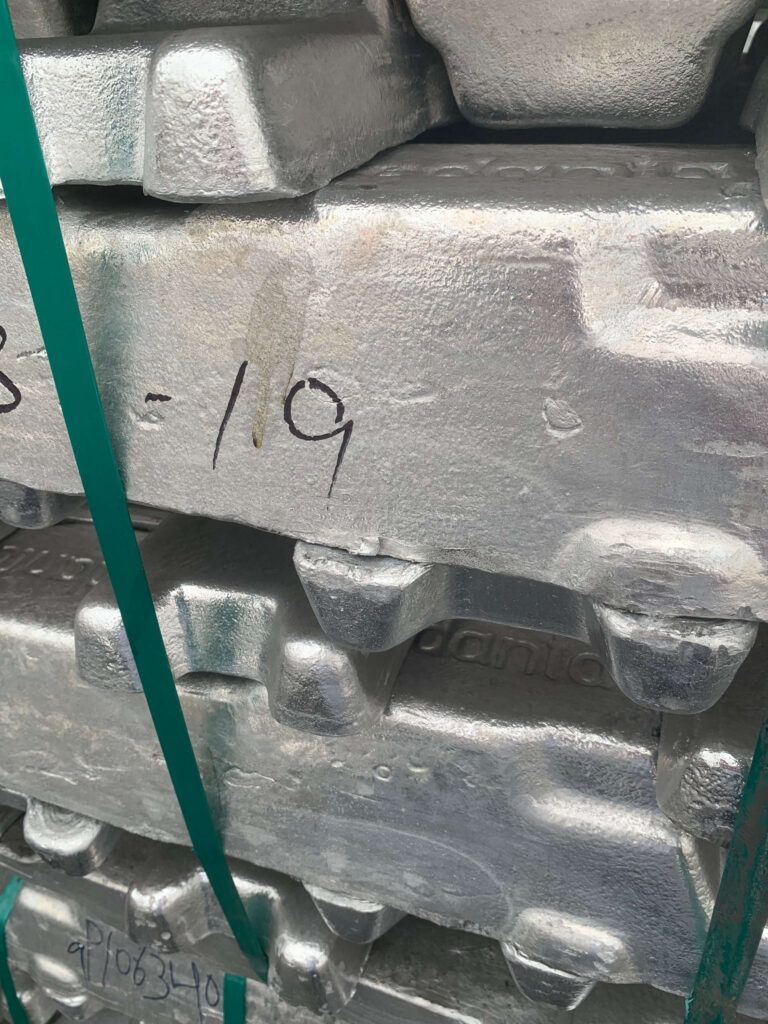
Step 1: Raw Material – Aluminium Billets
Everything starts with cylindrical aluminium billets, usually made from 6063, 6061, or 6005 alloys.
They’re cast, homogenised, cut, and heated to 400–500°C, soft enough to flow but not melt.
Step 2: Die Design and Production
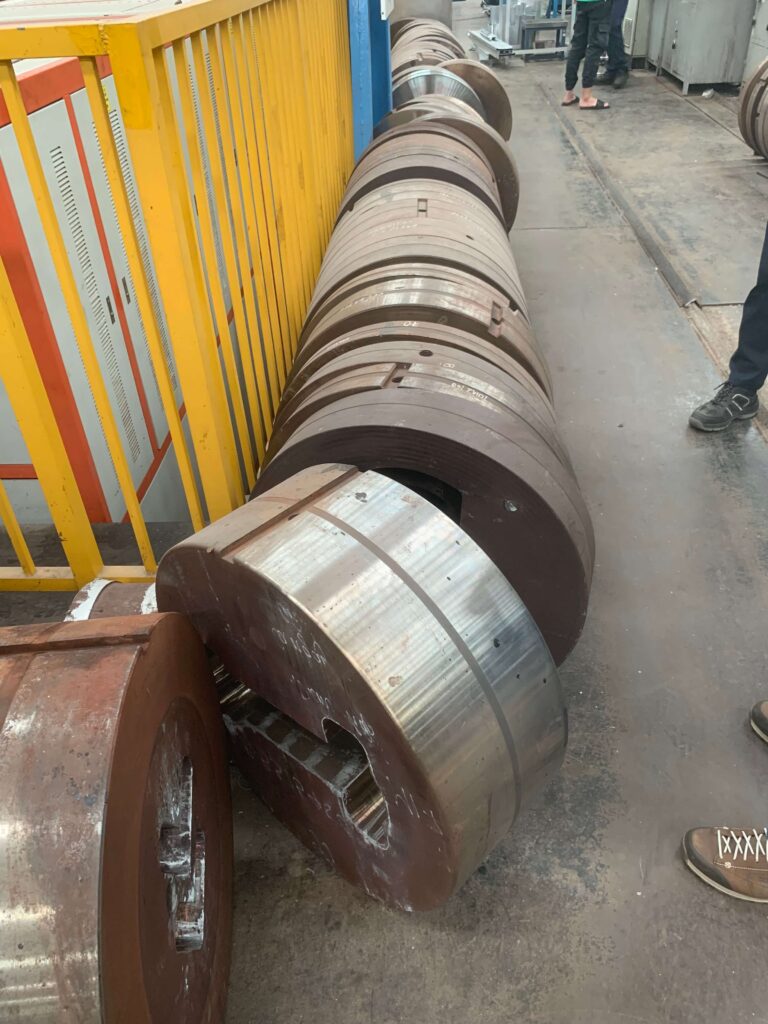
Every extrusion profile needs its own custom die. These are:
- Machined from high-strength tool steel
- CNC-cut and EDM-finished
- Heat-treated for strength
Lead time in Vietnam: 7–20 days
Cost: USD $300–$6,000+ depending on complexity and alloy.
- Simple open profiles: $300–$800
- Medium-complexity profiles (multi-cavity, thicker walls): $1,000–$2,500
- Complex or large-section dies: $3,000–$6,000+
This die is the single most important part of the whole process, and we’ll come back to why in the “Die Ownership” section later.
Step 3: The Extrusion Press (The Satisfying Bit)
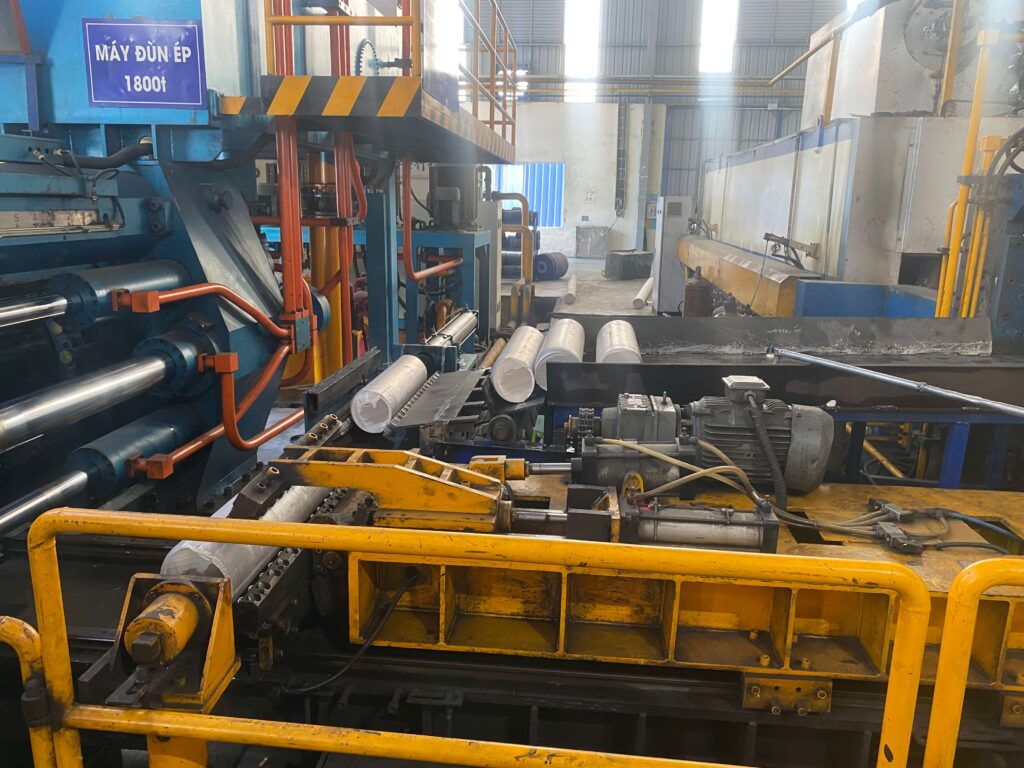
The heated billet is loaded into the press. A hydraulic ram pushes it through the die opening, and the aluminium exits the other side as a continuous profile, looking like a long metal noodle.
Cooling (air or water quenching) happens instantly.
Press sizes in Vietnam usually range from 600 tons to 5,000+ tons. Bigger tonnage = bigger possible sections.
Step 4: Stretching
The extrusion is clamped and stretched slightly (1–3%) to remove internal stress and straighten it. Essential for dimensional stability.
Step 5: Cutting & Aging
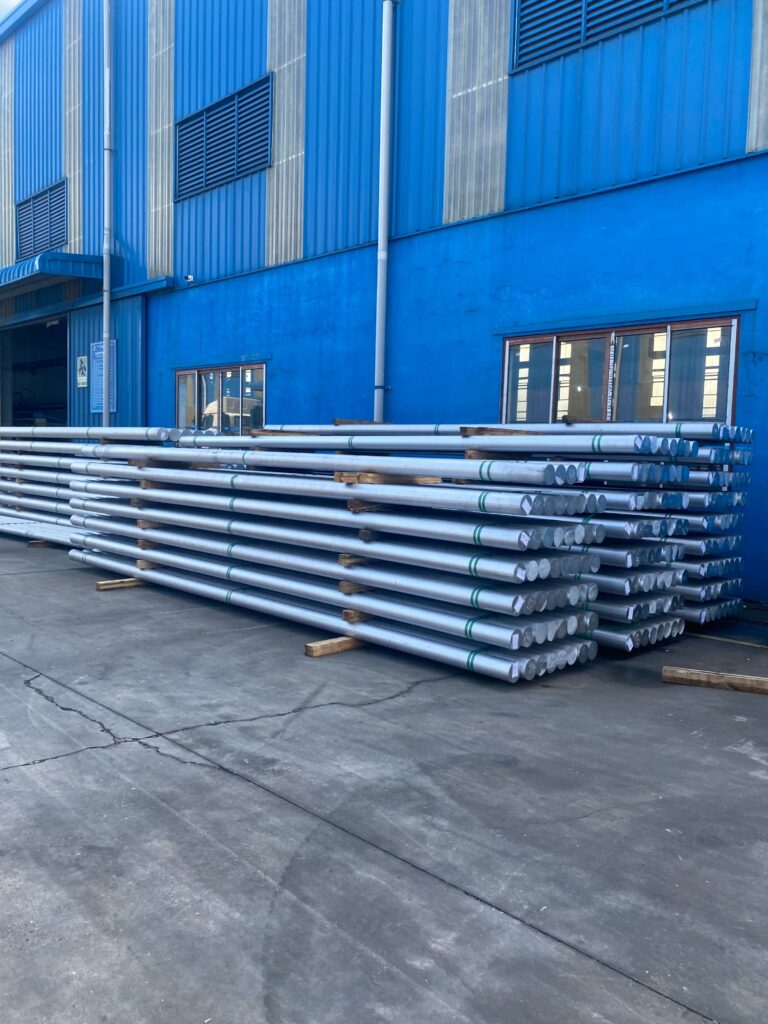
Extrusions are cut to 5–6m lengths and baked in an oven to reach the required temper (T5 or T6).
This strengthens the aluminium.
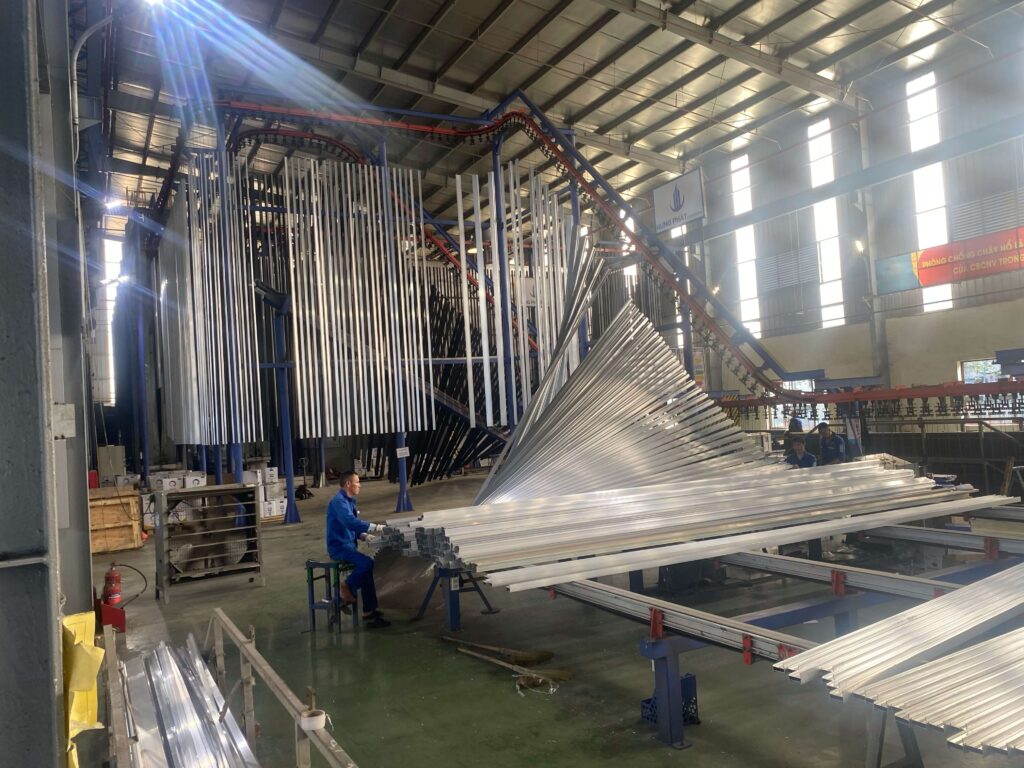
Step 6: Surface Finishing
Options include:
- Mill finish
- Anodising (clear, black, bronze, champagne)
- Powder coating
- Brushing / polishing
- Wood-grain transfer
Each finish has different QC requirements (more later).
Step 7: Fabrication
Factories can machine, drill, tap, bend, notch, weld, or assemble depending on the project.
Most export orders include some level of fabrication.
Step 8: Packing & Shipping
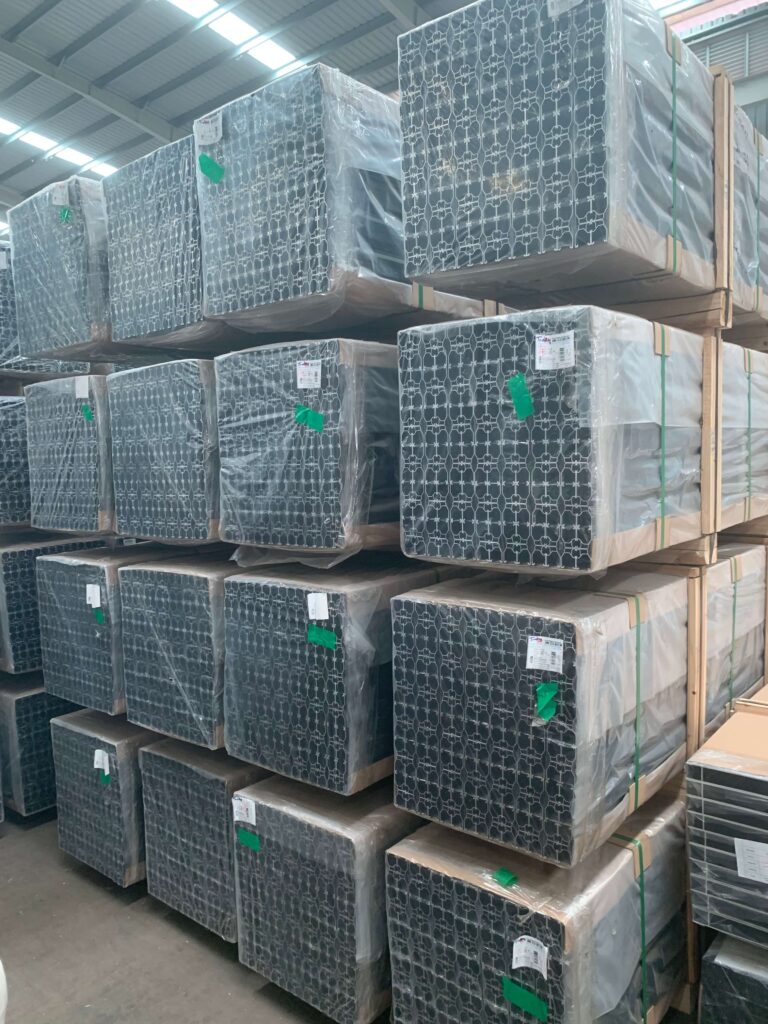
Profiles are wrapped carefully to avoid scratching and packed into wooden crates or reinforced cartons. Desiccants added for export.
Everything is labelled with alloy, temper, die number, and batch.
Step 9: Quality Control
Critical QC checks include:
- Dimensional accuracy
- Surface finish inspection
- Hardness testing
- Coating thickness checks
- Adhesion testing for powder coat/anodising
A well-run VN extrusion line does QC continuously, not just at the end.
3. Die Ownership: The Biggest Confusion for Foreign Buyers
This is where most misunderstandings happen.
In Vietnam, even if the foreign buyer pays for the die, the die is usually registered under:
- the factory’s name, or
- the name of a Vietnamese partner.
This can cause issues (as we’ve seen first-hand).
Why it happens:
- Local administrative rules
- Internal factory registration systems
- Responsibility for accidents or press damage
- Relationships with current vs former VN partners
How to protect yourself
- Get a written agreement confirming you own the die.
- State that the factory holds the die on your behalf.
- Include a clear die transfer procedure if you change suppliers.
- Ask for the die register number and a photo of the die tag.
This avoids the dreaded: “Yes you paid, but the die belongs to the old partner.”
4. QC Expectations: Don’t Leave It to Trust
Vietnam has fantastic factories, but QC can vary heavily.
Your best defence is a layered QC plan.
Key checkpoints
- Verify alloy before production (6063 / 6061 / 6005 etc.)
- Check die alignment + die pre-heat temperature
- First Article Inspection = your “golden sample”
- Pull-rate control (too fast = tearing; too slow = extra cost)
- Surface finishing QC: colour consistency, thickness, adhesion
Top tip:
Always ask for the first two extrusions off the line to be cut and measured in front of you if you are able to visit the factory.
It prevents weeks of back-and-forth.
5. Die Size Capabilities in Vietnam
Vietnam’s extrusion presses range from 600 to 5,000+ tons.
Typical die diameters factories can handle:
- 4–6 inch: LED profiles, trims, brackets
- 7–8 inch: structural profiles, frames
- 10–12 inch: solar frames, automotive sections
- 14–18 inch: heavy industrial profiles
Bigger dies = fewer factories.
If your profile is wide or thick-walled, confirm press tonnage early.
6. Alloy Selection: What’s Common & Why It Matters
Vietnamese factories mainly work with:
- 6063 – Clean finish, easy to extrude, good for furniture + architecture
- 6061 – Stronger; for fixtures, brackets, light structures
- 6005/6005A – Mid-strength option
- 6082 – Available but not common; needs careful QC
General guideline:
- For most applications → 6063-T5/T6
- When strength matters → 6061-T6
If unsure, send drawings, factories here are good at recommending.
7. Surface Finishing: Vietnam’s Quiet Superpower
Finishing quality in Vietnam is improving quickly, in many cases cleaner than mid-tier Chinese plants.
Common finishes
- Mill finish
- Clear/black anodising
- Powder coating
- Brushed or polished
- Wood-grain (big demand locally)
Things to watch for
- Colour variation between batches
- Anodising thickness differences
- Powder coat adhesion issues if pre-treatment is poor
Always ask for sample panels from the actual batch, not showroom samples.
8. What Vietnamese Factories Can (and Can’t) Do
Strengths
- Cleaner supply chains
- Competitive pricing
- Lower MOQs
- Strong relationship-based culture
- Rapid investment from Japan/Korea/Taiwan groups
Capabilities
- 1,000–5,000 ton presses
- Full anodising lines
- Powder coating lines
- CNC machining
- Drilling, tapping, cutting
- Assembly and packaging
Still developing
- Ultra-tight tolerances
- High-complexity aerospace parts
- Very large cross-sections
- Lead time reliability during peak season
Vietnam is ideal for small-to-mid complexity extrusion projects, especially for SMEs who want flexibility and lower MOQs.
9. Final Thoughts – Should You Extrude in Vietnam?
If your brand or project needs aluminium extrusion, whether furniture frames, enclosures, brackets, vehicle parts, or something custom, Vietnam is well worth considering.
You get:
- competitive tooling,
- flexible order quantities,
- improving QC and finishing,
- cleaner supply chains,
- and the ability to develop long-term partnerships.
For SMEs especially, Vietnam offers a sweet spot between cost, quality, and relationship-driven support.
If you’d like help finding a factory, or overseeing production, feel free to reach out, this is exactly the kind of work we specialise in at A-Up Sourcing.
